.jpg)
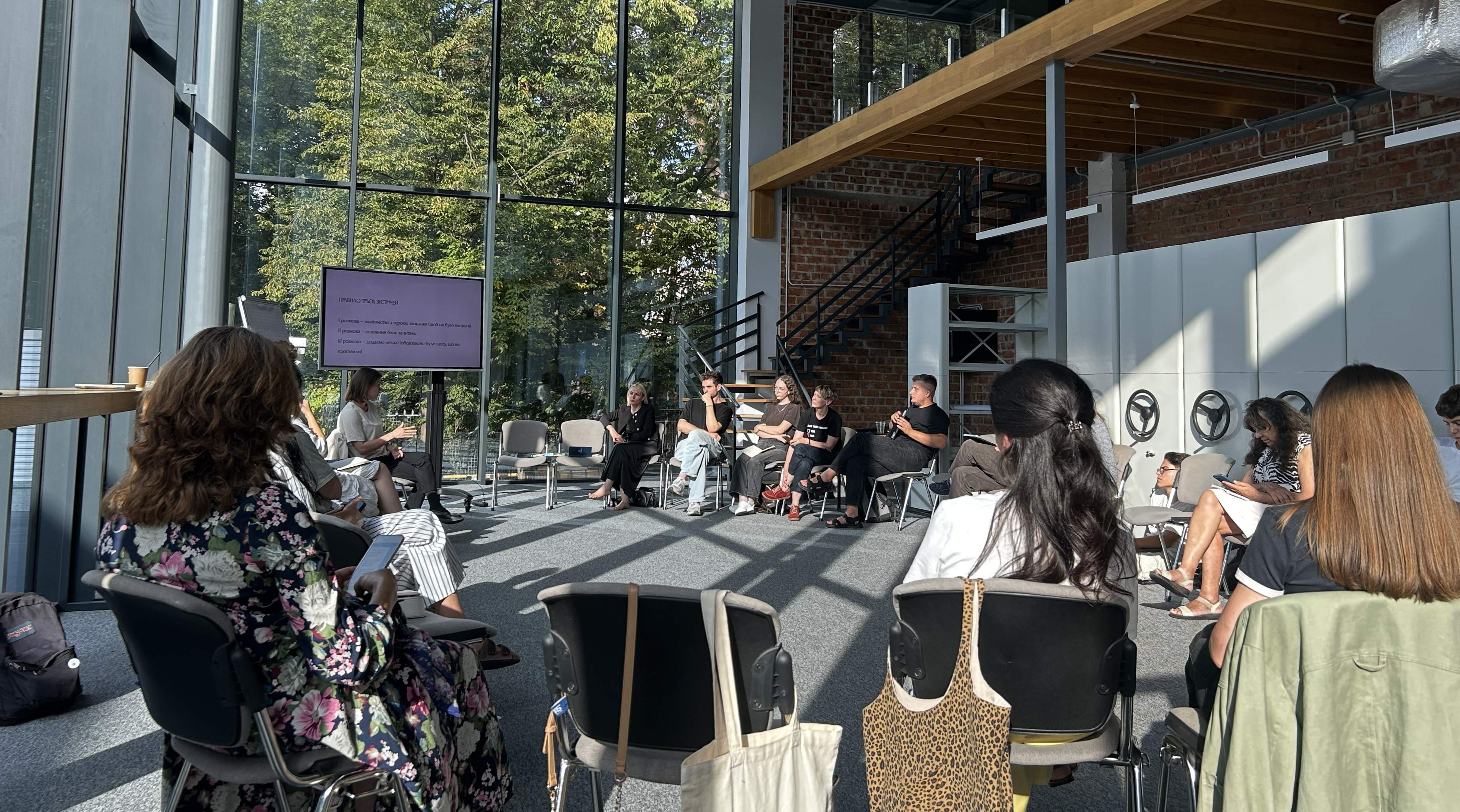
On May 22 in Kyiv, as part of the annual Theology for Life forum, the conference "Wounded Leadership: Challenges and Paths to Restoration" took place. The event, organized by the Ukrainian Evangelical Theological Seminary, brought together pastors, ministers, and leaders seeking a space for honest conversation about exhaustion and renewal in ministry.
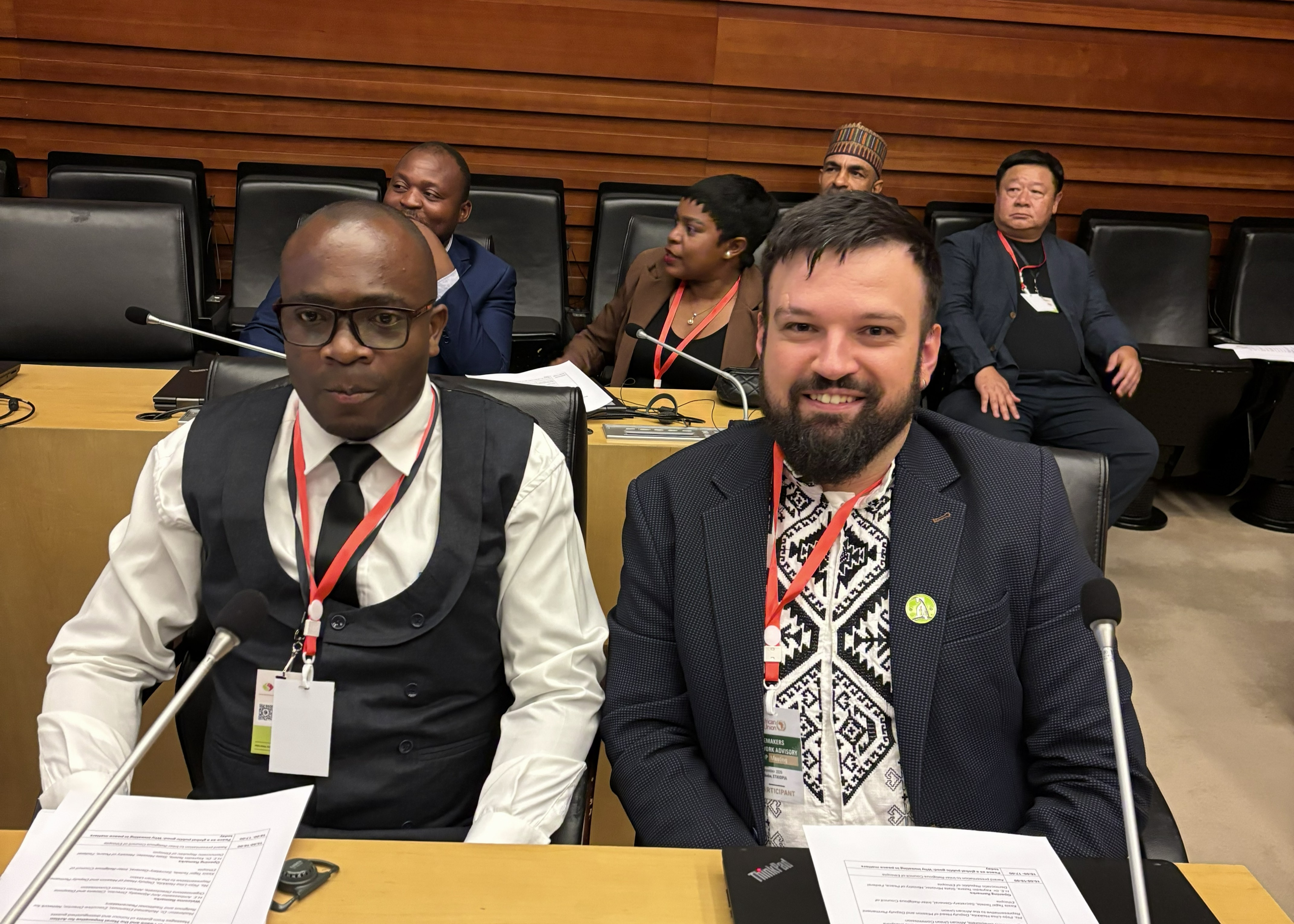
Among the speakers was Taras Dyatlik – Expert in Theological Program Development at Dialogue in Action and Vice-Rector of the East European Institute of Theology. In his talk, "Vulnerability: Leadership That Does Not Conceal Its Wounds, and Restoration That Does Not Pretend Healing," he reflected on the idea that vulnerability does not diminish a leader's strength – it opens a different dimension of ministry.
.jpg)
"If the glory of God is not ashamed of wounds and scars, neither should we. Recovery does not mean there were no wounds. Resurrection is not the erasure of scars – it is their transformation into testimony," Taras said.
Speaking about the experience of vulnerability and living through pain, Taras turned to the image of Holy Saturday – the day "between the cross and the resurrection," when "the body is in the ground and heaven is silent." He observed that this image feels especially familiar in Ukraine today – a state of prolonged waiting in which no final resolution is yet visible, while the wounds and scars are already part of lived experience.
.jpg)
“Being a witness means staying,” Taras explains. “Not fixing, not explaining, not rushing toward a convenient ceasefire. Simply remaining present in the long silence between the cross and the resurrection.”
Many of the ideas voiced in Taras’s talk extended beyond leadership itself. They spoke to the experience of people who continue carrying responsibility amid war, loss, and exhaustion. He emphasized the importance of learning not to suppress pain or pretend to be whole, but instead to find ways of remaining honest with ourselves and others – so as not to lose the ability to stay present, support those around us, and continue serving.
We thank the Ukrainian Evangelical Theological Seminary for organizing the event, and all participants for their openness to engaging with difficult but essential questions.